 ModSensors
Water tank monitoring for trailers
A fresh tank runs dry at lunch, or a black tank backs up on a Friday, and the first report is a call from the site. A sensor on each drain reads the level all the time, so you know days earlier.
How it reads the tanks
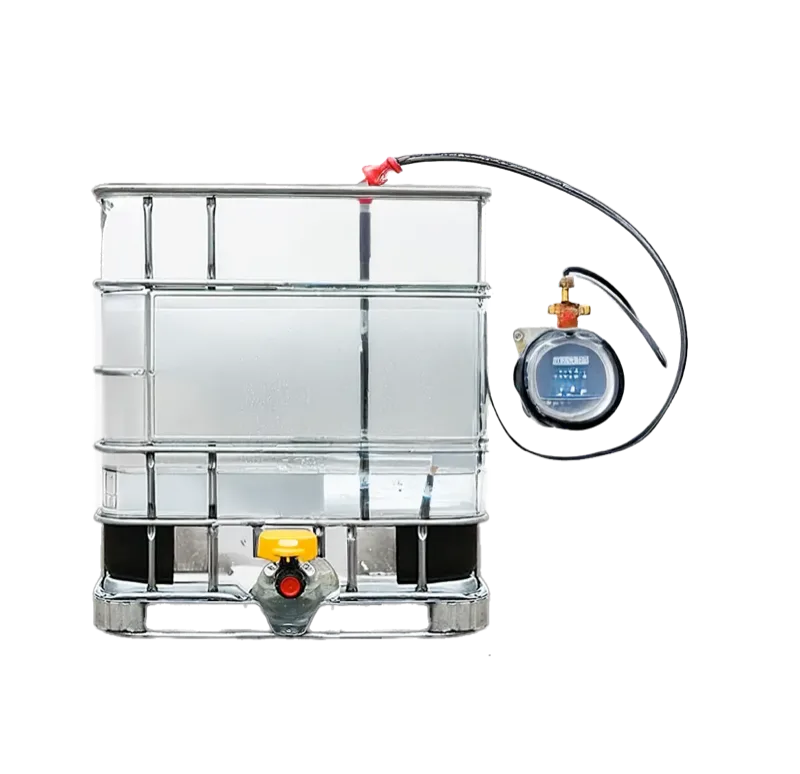
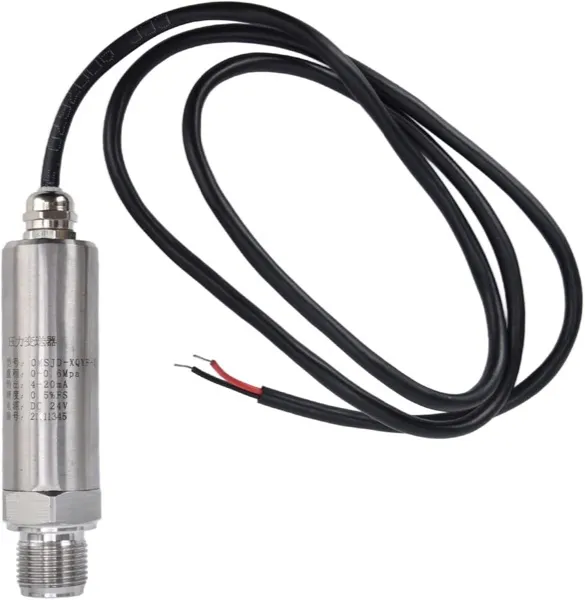
A pressure sensor mounts on each tank drain, inside the trailer, and reads the level from the pressure of the water above it. The app shows the level in percent. One hub takes up to 4 tanks, so fresh, grey and black are covered with one spare.
A float switch reports full once the tank is full, and sludge in a black tank can hold the float down or prop it up. A pressure sensor reads within a few percent on any tank shape, and sludge does not throw it off the way it does a float.
What happens when a tank needs service
You set a threshold for each tank, for example 80% on grey and 20% on fresh. When a tank crosses it, the horn sounds and the status screen by the door shows the alarm. Both run on the trailer and work with or without a cell signal. With cellular, the same alarm reaches your phone and the office dashboard.
The app also projects the pump-out date from the last week of use. A reading of "grey tank 84%, pump-out due in 2 days" on Tuesday lets you book one truck for Thursday and put the other trailers in that yard on the same run. Without it, the same tank overflows and takes a separate truck roll.
Level history per trailer shows which units fill in three days and which take two weeks. You set the service interval for each unit from its own record.
Fitting it to your trailers
The sensors go in when the builder fits out a new trailer, or onto units already in the fleet. In both cases they mount on the tank's standard drain fittings, with no cutting and no new holes. Existing trailers of any age from any manufacturer take the same sensors, and a typical install takes an afternoon.
The hub runs on 120 V mains or on 12/24 V solar and battery. A battery backup keeps the hub and the alarms running when mains is lost. Add power monitoring to the same hub and it also alerts you when the heater circuit loses power, before the lines freeze.
With or without a cell signal
The horn, the lights and the status screen run on the trailer and keep working on a site with no coverage. Phone alerts, level history and the dashboard need the cellular connection.
On sites with a weak signal, the hub takes an external antenna. See cellular connectivity for what the connection needs on site.
Where it is used
On washroom trailers, the fresh, grey and black levels decide whether a crew can use the unit that day. Office trailers with a sink and a toilet have the same tanks on a slower cycle. The same hub and sensors cover both; you choose the sensors each trailer needs. See pricing to request a quote; quotes go out the same day.
Specifications
| Tanks per hub | Up to 4 |
|---|---|
| Sensor type | Pressure sensor |
| Mounting | On the tank drain, inside the trailer, standard fittings, no cutting |
| Reading | Level in percent, within a few percent of actual |
| Alarms | Per-tank threshold; horn, lights and status screen on the trailer; phone alert and dashboard with cellular |
| Power | 120 V mains or 12/24 V solar and battery; battery backup |
| Connectivity | Cellular for phone alerts, history and dashboard; external antenna option |
| Operating conditions | Sensors mounted inside the trailer, rated −30 to +50 °C |
Common questions
How accurate are the tank readings?
Within a few percent, on a round tank or a flat one. The reading is a level in percent, so you can watch a tank go from 60% on Monday to 75% on Tuesday and plan from the rate of fill.
Does it work with black water tanks?
Yes. The sensor sits on the drain and reads pressure, so solids and sludge do not jam it the way they jam a float. Fresh, grey and black each get their own sensor on the same hub.
Will it fit a trailer that is fifteen years old?
Yes. The sensors fit standard tank drains and nothing is cut, so the age and make of the trailer do not matter. A typical install on an existing unit takes an afternoon.
What happens at minus 30?
The sensors are rated for −30 to +50 °C and sit inside the trailer. At that temperature the greater risk is the heater circuit: if it loses power, the lines freeze. Power monitoring on the same hub reads mains presence every minute and sends the alert when it drops.
Talk to us
Tell us how many trailers and where they sit. We will send a quote the same day.